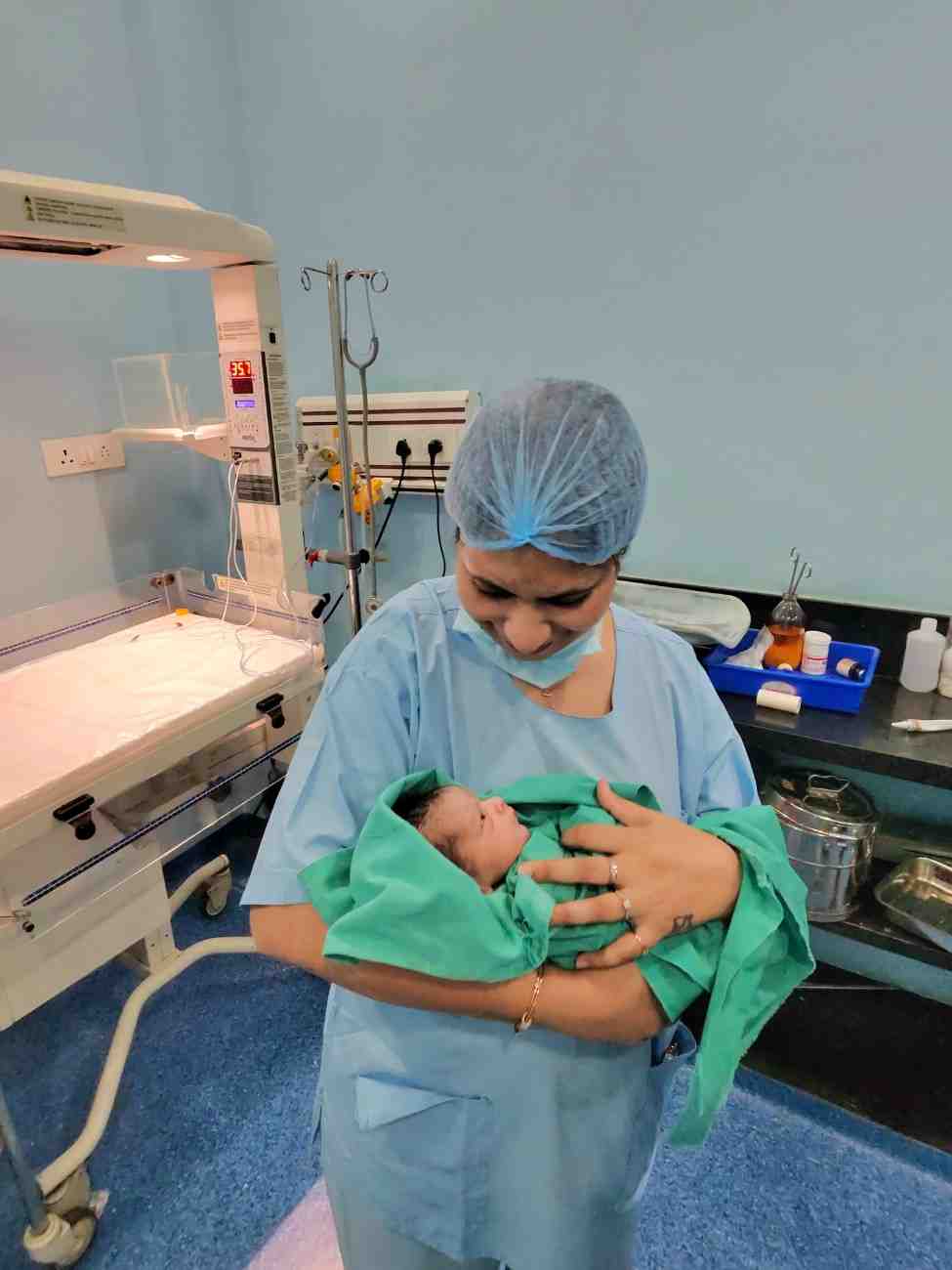
Pregnancy is the beautiful and transforming moment of a woman’s life. As soon as the body is experiencing a
number of changes, there is an emphasis on both physical as well as emotional well-being. Ayurveda is a very
old Indian medicine, which can be helpful to self-care during pregnancy through a holistic approach focusing
on the balancing of body, mind, and spirit. Here are some Ayurvedic tips for self-care during this special
time.
1. Balanced Diet (Ahara)
Ayurveda strongly suggests the need for a nutritionally balanced diet during pregnancy. Your body requires
extra nutrition to maintain both your health and that of the growing baby.
- Choose Warm, Easily Digestible Foods: These are recommended because they are light on
the stomach. Soups, stews, and cooked vegetables are good. Fresh fruits, whole grains, and proteins,
including legumes and dairy products, all help nourish the body.
- Favor Sweet, Sour, and Salty Tastes: Ayurveda describes six tastes: sweet, sour, salty,
bitter, pungent, and astringent. The sweet, sour, and salty tastes are especially favored during pregnancy
as they help maintain the balance of hormones, the digestive system, and the energy level.
- Add Ghee (Clarified Butter): Ghee contains abundant nutrients. It is also thought to
calm the digestive tract, moisten tissues and enhance the brain. This little bit of ghee added to your
diet could be very beneficial.
- Drink Hydrating Fluids: Warm, soothing liquids include herbal teas of ginger or
chamomile and copious amounts of water. Hydration also aids digestion and amniotic fluid levels.
2. Eat Mindfully
Ayurveda states that mindful eating is a very important part of ensuring both physical and mental health
during pregnancy.
- Eat in a Calm Environment: Try to eat in a peaceful, relaxed setting to promote better
digestion and absorption of nutrients.
- Avoid Overeating: Pregnancy can sometimes increase your appetite, but overeating can
lead to indigestion, bloating, and discomfort. Instead, opt for smaller, more frequent meals.
- Avoid High Hot/ Fried Foods: Pitta provoking foods which tend to upset heartburn,
nausea and digestive upset.
3. Ayurvedic herbs pregnancy
Some of these plants are used with specific qualities to promote pregnancies; hence, they are prescribed,
but under guidance by qualified professionals in Ayurvedic lines.
- Ginger: Ginger helps decrease nausea and facilitate digestion. Small amounts of fresh
ginger tea or ginger-flavored water can be a big relief in the first weeks of pregnancy.
- Ashwagandha: This herb is one of the well-known adaptogens that has been used for
stress balance and increasing energy. But the usage needs to be done only strictly under an Ayurvedic
practitioner.
- Shatavari: It is often termed a female tonic. This herb helps maintain hormonal
balance. In recommended dosages by a practitioner, it can be used during pregnancy.
4. Gentle Exercise (Vyayama)
While gentle exercise is important in keeping the body healthy while pregnant, it is necessary not to
overexert.
- Prenatal Yoga: Ayurvedic tradition promotes gentle stretching and yoga to keep the body
limber and strong. It also helps with breath work and relaxation. Certain poses such as cat-cow, gentle
side bends, and the butterfly help the pregnant woman with back aches and circulation.
- Walking: Walking in nature revives your mood, brings blood circulation to the right
track, and keeps one’s cardiovascular health on track. Walking keeps the body energized without
overworking it.
5. Self-Care for Relaxation (Abhyanga)
Abhyanga, or self-massage, is one of the most vital Ayurvedic self-care practices. Besides nourishing the
skin, Abhyanga keeps one relaxed and maintains emotional equilibrium.
- Daily Oil Massage: Massage yourself with a light, warm oil such as sesame or almond
oil. Abhyanga calms the nervous system, reduces swelling and promotes circulation. It particularly targets
naturally tense areas, such as the lower back, feet, and legs.
- Scalp and Hair Massage: Massaging your scalp gently with coconut oil or bhringraj oil
will improve your hair health and calm down your mind.
6. Rest and Relaxation
Rest is crucial when pregnant because your body works so hard to support you and your developing baby.
According to Ayurveda, balance activities with rest.
- Sleeping: Try to sleep early and ensure you get sufficient rest. During pregnancy, your
body requires additional rest to rejuvenate and recharge.
- Practice Meditation and Deep Breathing: Stress can affect both you and your baby.
Meditation calms the mind and body. Practices like deep breathing (pranayama) can enhance oxygen flow to
both you and your baby.
7. Proper Emotional Care
Ayurveda also recognizes the importance of emotional well-being during pregnancy. Hormonal changes may
affect your mood, and it is essential to develop your mental health.
- Avoid Stress: Try avoiding stressed situations and people surrounding yourself with
positive support and people who can guide. Do those things which soothe your mind. Play soft music,
reading time with your loved one.
- Visualization and Affirmation: Try to imbibe the sense of feeling great about the
pregnancy state in your mind through affirmation of positive visualization.
8. Breathing and Relaxation Technique
This also relaxes the nervous system; this aspect is especially required during the pregnancy period.
- Deep Breathing (Pranayama): Deep breathing techniques help improve oxygenation in the
body and relaxes the mind. Simple techniques like counting up to four while deep inhaling, holding on for
a moment, then exhaling slowly can assist in relaxation and reduce anxieties.
- Nadi Shodhana: This is alternate nostril breathing, and it is very good for the mind
and balancing energy flow.
9. Detoxification and Cleansing (Panchakarma)
During pregnancy, the body is working to remove toxins (ama). Although Panchakarma, which is a form of
Ayurvedic cleansing, is usually performed before or after pregnancy, gentle detox practices may be useful
with proper supervision.
- Gentle Cleansing Herbs: Triphala, in limited amounts, is a good herb for gentle
cleansing of the digestive system without causing stress to the body. Always consult an Ayurvedic
practitioner before taking any form of detox during pregnancy.
Conclusion
Pregnancy is a time of deep transformation, and Ayurveda offers a natural, holistic approach to support the
mother’s well-being. By following Ayurvedic principles—such as maintaining a balanced diet, practicing
mindful self-care, engaging in gentle exercise, and promoting emotional well-being—you can nurture yourself
and create a harmonious environment for your baby’s growth. For those facing infertility challenges, seeking
expert advice from the best infertility clinic in Indore, such as Garbh Veda, can provide valuable insights
and treatment options. Garbh Veda is known for combining modern medical technology with traditional
Ayurvedic wisdom to enhance fertility. Always consult with an Ayurvedic practitioner to ensure that the
practices and herbs you use are suitable for your individual needs and circumstances.


 garbhveda@gmail.com