garbhveda@gmail.com



स्वस्थ गर्भावस्था के लिए आयुर्वेद के सुझाव
गर्भावस्था के दौरान स्वस्थ रहने और मातृत्व के दौरान समग्र स्वास्थ्य में सुधार लाने के लिए आयुर्वेदिक प्राकृतिक सुझावों के बारे में जानें।
और पढ़ें
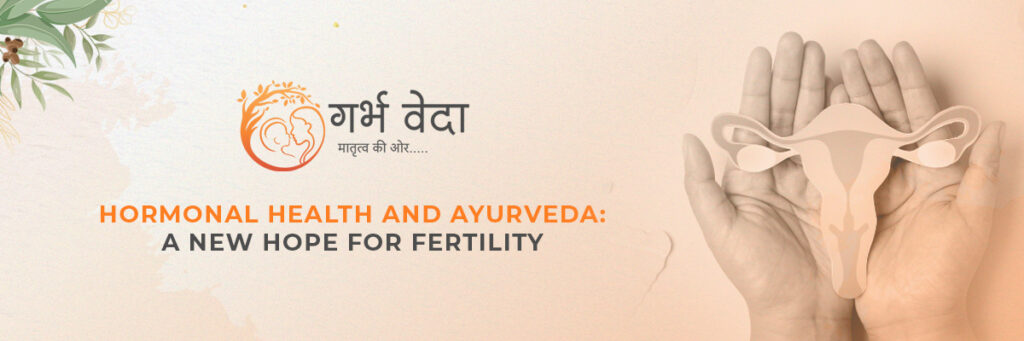
Hormones are the body’s internal messengers. When they are balanced, the menstrual cycle runs smoothly, ovulation occurs on time, and fertility remains strong. But when this harmony is disturbed—due to stress, poor diet, lack of sleep, or medical conditions—fertility can be affected. Many women today experience hormonal issues such as PCOS, thyroid imbalances, or irregular cycles, often without clear long-term solutions. Ayurveda looks at this problem from the root and offers a natural way to restore balance without artificial hormones.
According to Ayurveda, hormonal imbalance is not just a chemical problem—it is the result of an internal disorder in the body’s natural rhythms. When digestion is weak, toxins (called ama) accumulate in the system. These toxins interfere with how the body functions, including the reproductive system. Ayurveda believes that true healing begins when the digestive fire (agni) is restored, toxins are removed, and the body is brought back to its natural balance.
Before starting any fertility-enhancing treatment, Ayurveda often recommends detoxification. Panchakarma is a classical Ayurvedic cleansing process that removes deep-rooted toxins and balances the doshas—Vata, Pitta, and Kapha. When the body is clean, the hormones begin to stabilize naturally. Many women with PCOS, painful periods, or unexplained infertility find significant improvement after undergoing Panchakarma therapies under expert supervision.
Once the body is cleansed, Ayurveda uses natural herbs to nourish and strengthen the reproductive system. These herbs are chosen based on the individual’s constitution and specific health condition. Instead of forcing hormones, Ayurvedic herbs support the body in producing and regulating them on its own. Over time, this gentle approach helps restore regular menstrual cycles, reduce stress-related symptoms, and prepare the body for healthy conception.
Ayurveda emphasizes the power of food as medicine. A hormone-balancing diet includes warm, fresh, and easily digestible meals. Foods like ghee, soaked almonds, fresh fruits, and whole grains provide strength and nourishment to the reproductive tissues. In addition to food, following a consistent daily routine—waking up early, eating on time, and sleeping before 10 PM—can also support the body’s internal clock and hormonal flow. This structure helps the body return to a balanced state over time.
Mental and emotional health are just as important as physical health in the Ayurvedic approach to fertility. Stress, anxiety, and unresolved emotions can interfere with hormonal functions. To address this, Ayurveda includes practices like yoga, meditation, and deep breathing. These techniques help calm the nervous system, improve sleep quality, and bring emotional balance—all of which are essential for hormonal regulation and reproductive health.
Hormonal imbalance can make the journey to parenthood more difficult, but Ayurveda offers a new path—one that is gentle, natural, and deeply effective. By cleansing the body, nourishing it with herbs and wholesome foods, and bringing peace to the mind, Ayurveda helps the body regain its own rhythm. This holistic care not only improves fertility but also supports long-term wellness.
For the right guidance and personalized treatment, it is best to consult a trusted Ayurvedic fertility centre. With expert care and time-tested therapies, you can take your next step toward parenthood with confidence, balance, and hope.

गर्भावस्था के दौरान स्वस्थ रहने और मातृत्व के दौरान समग्र स्वास्थ्य में सुधार लाने के लिए आयुर्वेदिक प्राकृतिक सुझावों के बारे में जानें।
और पढ़ेंगर्भावस्था के दौरान स्वस्थ रहने और मातृत्व के दौरान समग्र स्वास्थ्य में सुधार लाने के लिए आयुर्वेदिक प्राकृतिक सुझावों के बारे में जानें।
और पढ़ें