garbhveda@gmail.com



स्वस्थ गर्भावस्था के लिए आयुर्वेद के सुझाव
गर्भावस्था के दौरान स्वस्थ रहने और मातृत्व के दौरान समग्र स्वास्थ्य में सुधार लाने के लिए आयुर्वेदिक प्राकृतिक सुझावों के बारे में जानें।
और पढ़ें
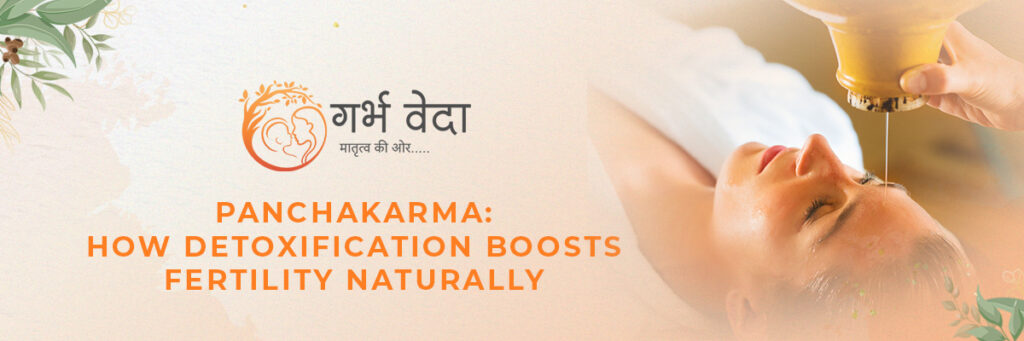
Panchakarma is such an important function of the Ayurvedic medical practice that it cleanses both the body and mind from toxins while rejuvenating life energies. In this respect, for fertility, Panchakarma is a must to help boost reproductive health with the removal of harmful Ama and dosha equilibrium-balance of Vata, Pitta, and Kapha-essential for a healthy body. The reproductive system gets purified and strengthened at the same time, thereby making the body fit for conception.
Historically, Ayurveda begins by insisting that good reproduction health, because it depends on a body free from impurities. Panchakarma therapies are usually recommended for infertile couples to reboot their body and balance. The detoxification process within this holistic treatment improves the person’s physical health, mental clarity, and his emotional state-the perfect equation for bringing fertility.
Ama, in Ayurveda, is the undigested or improperly metabolised food and experience that continues to accumulate in the body and mind. In that case, this toxic buildup affects the balance of doshas and, therefore, does not function properly for the organism, such as organs.
Ama can cause a number of issues with persons having fertility disorders such as hormonal balance, low quality eggs and sperms, blocked fallopian tubes, among other issues. This is to understand how these toxins contribute in common fertility issues:
Panchakarma eliminates Ama, thus overcoming the obstacles of fertility and revives the body’s normal ability to conceive.
Panchakarma means five main therapeutic processes of cleansing various parts of the body. The specific combination is guided by the individual’s dosha constitution and the precise health needs. There are five therapies and these are:
In general, all these treatments help to purify the channels of the body, let out toxins, and rectify reproductive health.
Mostly, Panchakarma acts to regain balance in the doshas of the body. According to Ayurveda, fertility is a natural virtue when the body dominates its state of equilibrium. Three distinct doshas or energies—Vata, Pitta, and Kapha—entail their respective functions in reproduction. Imbalance in any one presents the gateway to infertility. These are explained below:
Therapies of Panchakarma restore the balance in these doshas, reviving the reproductive organs and promoting the development of healthy Shukra Dhatu or reproductive tissue. Panchakarma therapies facilitate the functionality of the ovaries and enhance the well-being of the uterus in women, and, in men, boost the quality of sperm and overall strength of the reproductive system.
For males and females having difficulty conceiving, Panchakarma provides a natural holistic treatment that actually addresses the root cause. Here’s how it benefits both genders:
Panchakarma therapy has been helpful to quite a few individuals with various types of problems, from PCOS to endometriosis and unexplained infertility.
Garbha Sanskar is an ancient Ayurvedic process of nurturing the unborn child and is very much related to Panchakarma. Couples are advised to undergo Panchakarma before conception, thus cleansing the body and setting the best possible conditions for conception and pregnancy. This preconception detoxifies the reproductive system and readies the body, mind, and spirit for the journey of parenthood.
In the case of female candidates, Panchakarma prevents toxins in the body from getting accumulated in the womb before conception, so that the womb has the chance to nourish a normal and healthy foetus. It makes sperm healthy and energises the male body, enabling it to conceive healthy offspring. Panchakarma also cleans the system from dirt, debris, and stress – mental and emotional, crucial for a perfectly healthy pregnancy.
After Panchakarma, lifestyle and dietary management and adherence to the Ayurvedic diet is essential in preserving the effects of the treatment. Addition of herbal supplements like Ashwagandha, Shatavari, and Gokshura will augment detoxification and provide an increase in fertility.
After Panchakarma: be cautious of the following:
In Ayurveda, Panchakarma is one of the uniquely transformative practices that approaches detoxification holistically, rejuvenating the body and significantly increasing fertility. As such, Panchakarma offers a pathway toward natural conception and improved reproductive health for couples facing infertility by detoxifying, balancing doshas, and nourishing the reproductive system through a complete cleanse at the best infertility clinic in Indore .
Ancient wisdom makes Panchakarma highly relevant to modern lifestyles, where toxins and stress accumulate. Beyond fertility benefits, this detox process enhances overall health, vitality, and emotional well-being. In preparing the body for conception, it creates an environment that nurtures the future child and readies individuals both physically and mentally for parenthood.
Adding Panchakarma to preconception care can increase the likelihood of pregnancy and prepares the womb for an easy onset of pregnancy. Couples see it not only as a treatment but as a meaningful step toward parenthood, harmonising their well-being for the journey ahead, especially with guidance from the best infertility clinic in Indore.
Ultimately, the holistic process of Panchakarma may bring long-lasting benefits, helping those challenged by infertility rediscover hope through natural, sustainable methods, and affirming that when we care for our bodies holistically, we pave the way for miraculous possibilities.

गर्भावस्था के दौरान स्वस्थ रहने और मातृत्व के दौरान समग्र स्वास्थ्य में सुधार लाने के लिए आयुर्वेदिक प्राकृतिक सुझावों के बारे में जानें।
और पढ़ेंगर्भावस्था के दौरान स्वस्थ रहने और मातृत्व के दौरान समग्र स्वास्थ्य में सुधार लाने के लिए आयुर्वेदिक प्राकृतिक सुझावों के बारे में जानें।
और पढ़ें